
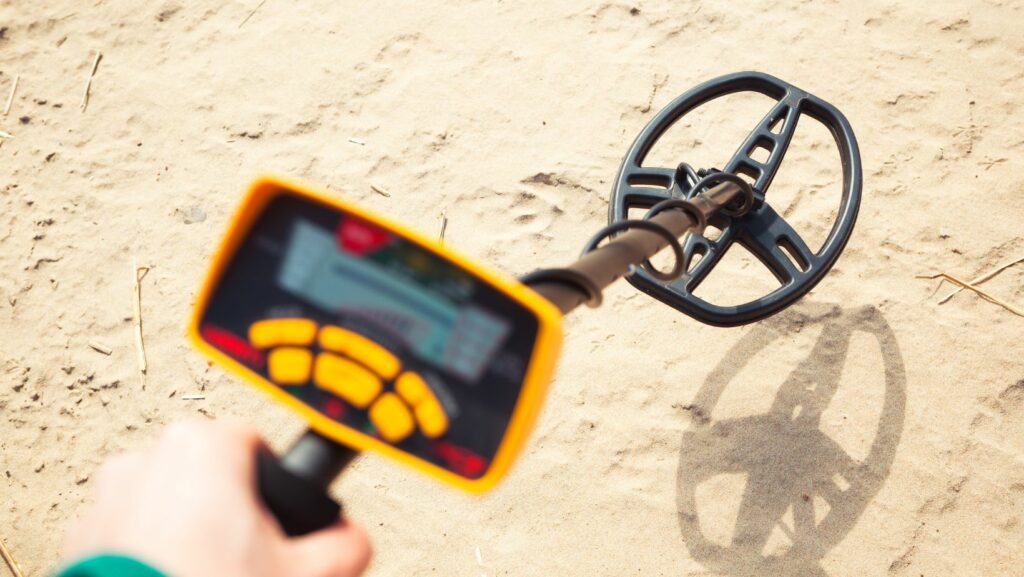
Metal detecting opens a window into the past and uncovers pieces of history long buried beneath the surface. Each signal from the device holds the potential for discovery, whether it leads to a simple coin or a significant artifact. A metal detector can reveal objects that connect people to different times, cultures, and stories hidden beneath everyday ground.
This activity attracts explorers, hobbyists, and historians who seek more than just treasure; they seek a connection with the past. From ancient coins to lost jewelry and relics, every find tells part of a larger human story. The search invites curiosity, patience, and a sense of adventure that keeps people returning to the field.
Ancient coins
With a detector of metal, people will be able to detect ancient coins because they connect modern treasure hunting with real history. Many old coins lie buried in fields, near old roads, or around former settlement sites. These areas once saw trade and travel, making them good places to search.
A detector that allows frequency adjustment can help locate coins made from silver, copper, or bronze. Lower frequencies reach deeper into the ground, which helps find items that have been buried for centuries. Clear audio tones and visual indicators also make it easier to tell coins apart from scrap metal.
Before searching, it helps to research local history and maps. Areas near old churches, markets, or river crossings often hold lost currency. With patience and careful scanning, hobbyists can uncover coins that reveal details about trade, culture, and craftsmanship from earlier times.
Historical relics
Metal detectors often reveal relics that connect people to earlier times. Many hobbyists uncover items such as buttons, buckles, and tools from past centuries. Each object helps tell a story about daily life and craftsmanship that might otherwise stay hidden.
Some detectorists find military artifacts such as bullets, badges, and fragments of uniforms. These discoveries offer insight into battles, troop movements, and personal experiences of soldiers. Therefore, they hold both historical and emotional value.
In addition, explorers sometimes locate household items like utensils or jewelry buried near old settlements. Such relics show how communities lived, traded, and adapted to their environment.
Occasionally, a search uncovers rare pieces such as coins or weapons from medieval or colonial periods. These finds often attract interest from historians because they add detail to known records. As a result, metal detecting can contribute to a deeper understanding of human history.
Old Jewelry
Old jewelry often hides beneath soil in parks, beaches, and yards. People lose rings, bracelets, and necklaces during daily activities, and these items remain buried for years. A metal detector can locate gold, silver, or platinum pieces that still hold value or historical interest.
Some finds date back decades or even centuries. Simple designs may show signs of wear, while others reveal craftsmanship that reflects a different era. Each discovery can tell a small story about the person who once owned it.
Many hobbyists search near picnic areas, playgrounds, or trails where people gather. These places often produce lost jewelry because movement and sand make items easy to drop. Therefore, careful scanning and patience often lead to rewarding results.
Collectors sometimes clean and preserve old jewelry, while others choose to sell it. Either way, these finds connect modern searchers to the past and highlight how everyday objects can become meaningful treasures over time.
Shipwreck artifacts
Shipwreck artifacts attract many detectorists who enjoy the mix of history and discovery. Old trade routes and coastal waters often hide items from lost vessels, such as coins, jewelry, and tools. These finds reveal how people lived, traveled, and traded across oceans centuries ago.
Storms sometimes shift sand and uncover objects buried for years. As a result, beaches near known wreck sites can reveal small pieces of metal, nails, or fragments from ship fittings. Each recovered item helps researchers trace the story of a specific voyage or maritime disaster.
Some coastlines, especially those with records of colonial or merchant fleets, remain popular for this kind of search. Detectorists often scan shallow water or wet sand areas where waves expose new layers of sediment. Proper permits and respect for heritage laws keep these searches both legal and responsible.
Shipwreck discoveries may not always hold great monetary value, yet they often carry strong historical meaning. Each artifact connects modern explorers to the people who once sailed those same waters.
Gold
Gold often attracts people who use metal detectors because it holds real value and has a unique signal. A detector can locate gold if it operates at a higher frequency, usually between 15 and 80 kHz. These frequencies help identify small nuggets or flakes that lower-frequency detectors might miss.
Soil type affects how easily a detector finds gold. Mineral-rich ground can cause interference, so detectors with ground balance features work better in those areas. This feature helps separate gold signals from background noise.
Prospectors often search near old mining sites, riverbeds, or dry stream channels. These areas tend to hold natural gold deposits. With patience and practice, users can learn to recognize the distinct sound gold produces on their detectors.
Finding gold requires skill and the right equipment rather than luck. A well-tuned detector, steady technique, and careful attention to sound can greatly improve the chance of success.
Conclusion
Metal detecting offers a mix of curiosity, patience, and discovery. People often uncover coins, jewelry, relics, and other metal objects that tell stories from the past. Each find adds a small piece to local or personal history.
The results depend on location, soil type, and the detector’s sensitivity. Beaches, parks, and old homesteads often reveal interesting items lost or buried over time.
This hobby combines outdoor exploration with a sense of purpose. It encourages respect for laws, property rights, and cultural preservation while rewarding those who search carefully.
Metal detecting continues to attract people who enjoy uncovering what lies beneath the surface. It remains a simple yet rewarding way to connect curiosity with real discovery.