
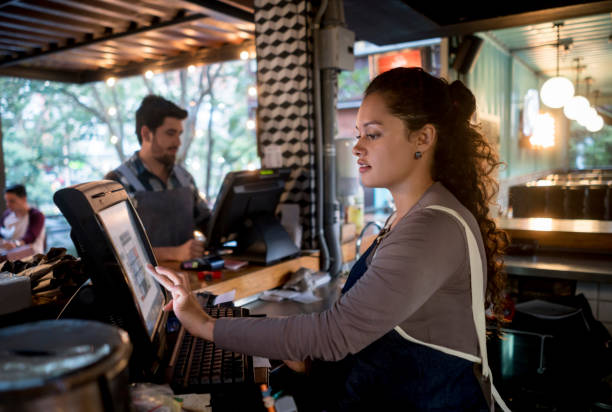
Are you trying to understand what tools help a restaurant run smoothly from the front counter to the back office?
A complete restaurant technology ecosystem brings many daily tasks together clearly and practically. It helps teams take orders, prepare food, manage payments, track performance, and keep service moving at a steady pace. Instead of treating each task as a separate job, this setup connects the parts that matter most in day-to-day operations.
For restaurant owners, managers, and staff, the value is simple. When the right tools work together, it becomes easier to support guests, organize tasks, and keep service consistent across busy hours. From order taking to reporting, every part has a role.
Why A Restaurant Technology Ecosystem Matters
A restaurant does much more than take orders and serve meals. It also handles staffing, inventory, customer communication, kitchen coordination, and performance tracking. A complete ecosystem supports all of these areas in one connected setup.
The ten components below show how each part contributes to a smooth and well-organized restaurant operation.
1. Point Of Sale Platform
The point of sale platform is often the center of the setup. It handles order entry, payment processing, menu management, and sales tracking in one place. A modern restaurant pos system can also support dine-in, takeout, and delivery workflows, which makes daily service more organized.
It also gives staff a simple way to move through common tasks. Orders can be entered quickly, modifiers can be added with clarity, and the right information can move to the next station without extra steps.
2. Cloud Access And Central Control
Cloud access makes it easier to manage restaurant operations from one central place. Menus, pricing, updates, and reports can be reviewed across one location or several locations with less manual work. A cloud based pos setup supports fast updates and gives teams access to current data throughout the day.
This is especially useful for restaurants that want consistent operations. Managers can review sales trends, check service patterns, and make informed choices using live information instead of waiting until the end of the day.
3. Online Ordering Tools
Online ordering tools help restaurants serve guests through websites, mobile apps, and pickup channels. These tools bring digital orders directly into the restaurant workflow, which keeps service clear for both staff and customers.
A connected online ordering setup can support:
- Easy menu browsing.
- Accurate order customization.
- Pickup and delivery coordination.
- Clear confirmation for guests.
4. Payment Processing
Payment technology is a key part of the full ecosystem. It supports card payments, digital wallets, contactless checkout, and other common payment methods that guests now expect. The goal is to make checkout simple and quick.
For staff, this also helps with order completion and receipt handling. For managers, it adds visibility into payment activity, transaction flow, and sales totals. A connected payment setup supports a smooth finish to the guest experience.
5. Kitchen Display And Order Routing
Once an order is placed, the kitchen needs clear and timely information. That is where kitchen technology becomes important. Tools such as kitchen display system hardware help kitchen teams view incoming orders in a clean format and keep preparation moving in the right order.
This supports:
- Clear ticket visibility.
- Steady pacing during busy periods.
- Better communication between front and back of house.
- Organized preparation by station.
With digital order routing, teams can stay focused and work with more clarity during service.
6. Inventory And Menu Management
Inventory and menu tools help restaurants keep track of ingredients, item availability, and menu updates. These systems support planning and help managers keep menus current throughout the day.
They also make it easier to connect food items with stock levels. When menu management and inventory tracking work together, restaurants can update specials, adjust pricing, and organize supply needs with more confidence.
7. Customer Relationship Tools
Restaurants also benefit from tools that help them stay connected with guests. Customer relationship tools can track visit history, preferences, rewards activity, and communication settings. This makes it easier to create a more personal guest experience.
For example, a restaurant can use customer data to send useful updates, recognize returning guests, or shape offers that fit guest habits. This adds a thoughtful touch without making service feel complicated.
8. Reporting And Analytics
Reporting tools turn daily activity into useful information. They help managers review sales patterns, menu performance, staff output, and order trends. This supports planning practically.
A strong reporting setup can help answer questions like:
- Which menu items are most popular?
- What hours are busiest?
- How are different sales channels performing?
- What patterns appear across locations?
With access to clear reports, restaurant teams can make smart decisions based on actual performance.
9. Staff Management And Scheduling
People are at the heart of every restaurant, so staff management tools are an important part of the ecosystem. These tools support scheduling, time tracking, role planning, and shift organization.
They also help managers build balanced schedules and keep daily coverage clear. When staffing tools are easy to use, teams can spend more time focused on service and guest care.
10. Hardware That Fits Daily Service
Reliable hardware brings the full system to life. This can include tablets, terminals, receipt printers, cash drawers, payment devices, and kitchen screens. The right hardware supports quick input, clear communication, and steady service throughout the day.
Here is a simple view of how core hardware supports restaurant tasks:
| Hardware Type | Main Use |
| POS terminal or tablet | Order entry and checkout |
| Payment device | Card and contactless payments |
| Kitchen screen | Order visibility in prep areas |
| Receipt printer | Guest receipts and order slips |
| Handheld device | Tableside ordering and payment |
Bringing Everything Together
A complete restaurant technology ecosystem is not about adding tools just to have more tools. It is about giving each area of the restaurant the support it needs to work clearly and consistently. The point of sale, cloud access, kitchen coordination, reporting, ordering, payment, staffing, and hardware all contribute to a stronger daily routine.
When these ten components work together, restaurants can create a clear path from guest order to final payment while keeping teams informed and organized. That kind of setup supports smoother service, better visibility, and a more comfortable experience for both staff and guests.