
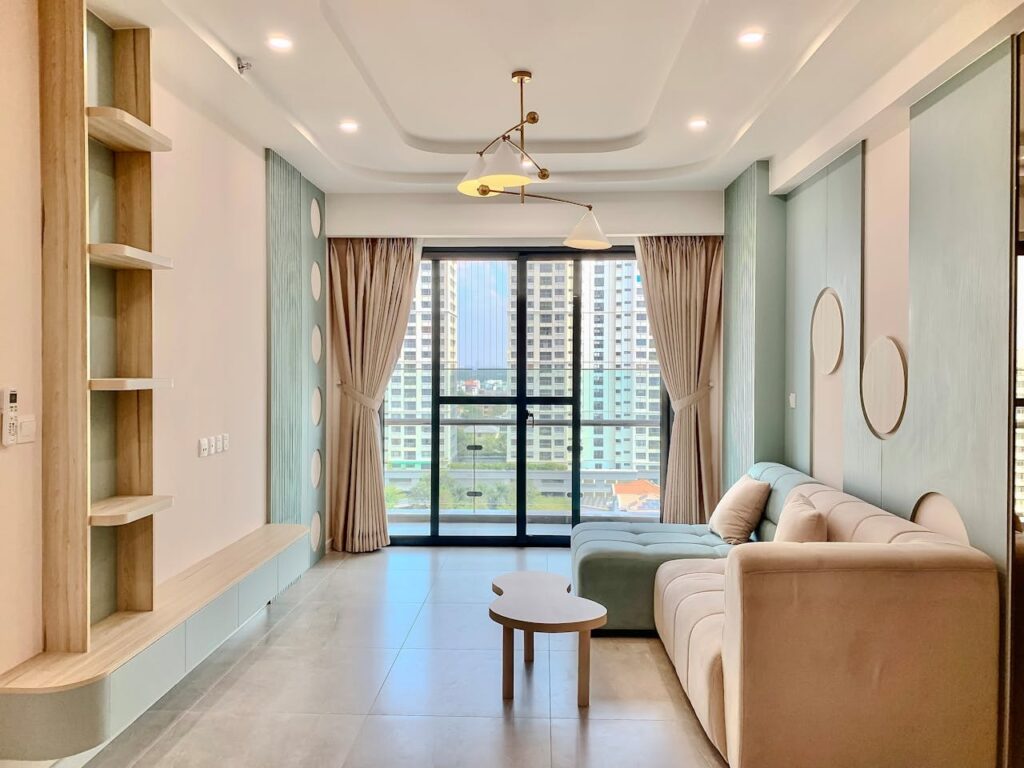
Modern interiors are no longer created just to look good in photos – they have to work in everyday life. Homes change quickly: people work from home, families grow, pets move in, and styles shift more often than before. The real challenge is designing a space that keeps up without constant renovations or high costs. In practice, it’s usually small, smart decisions that make the biggest difference. Flexible interiors quietly win over rigid, “perfect” designs.
How interiors can adapt to daily routines instead of fighting them?
An interior that truly adapts starts with one thing: understanding how the space is used every day, not how it looks on a mood board. Living rooms often become home offices, sofas turn into family gathering spots, and furniture has to survive spills, pets, guests, and constant use. This is exactly why solutions like ikea sofa covers fit so naturally into modern homes — they respond to real life, not ideal scenarios.
Adaptive design means choosing elements that can change, adjust, or protect themselves without replacing everything. Upholstered furniture is a great example. Sofas are used constantly, yet they’re often treated as something fixed and untouchable.
What works best in everyday interiors are practical choices such as:
- modular layouts that can be rearranged without effort,
- removable and washable textiles instead of fabrics that trap stains,
- materials selected for durability, not only for looks.
When a space adapts easily, daily life feels smoother. There’s less stress about damage, less pressure to keep everything “perfect,” and more room to actually enjoy the home.
Why sofas play a central role in flexible interior design?
The sofa is usually the center of the living space, both visually and functionally. It’s where people sit, work, relax, host guests, and spend most of their time. That’s why it has such a strong influence on how adaptable an interior really is.
Replacing a sofa every few years isn’t realistic. It’s expensive, inconvenient, and wasteful. That’s why many people now focus on upgrading instead of replacing, using smart solutions that let the same piece of furniture change with their needs.
A well-thought-out sofa setup offers clear, practical benefits:
- protection against everyday wear, especially in busy homes,
- easy style changes without buying new furniture,
- seasonal flexibility, from light summer fabrics to warmer textures,
- longer lifespan of the sofa, which saves money and reduces waste.
Instead of locking the room into one look, the sofa becomes a flexible base. The furniture stays the same, but the interior can evolve naturally.
Materials and textures that make interiors easier to live in
Adaptive interiors rely heavily on materials that support daily life, not ones that constantly need attention. Texture, durability, and how easy something is to clean all affect how comfortable a space feels over time.
In living areas, fabrics should balance appearance with real-world performance. The right materials can:
- handle daily use without looking tired,
- withstand frequent washing, not just occasional cleaning,
- feel comfortable throughout the year,
- work well in homes with pets or children.
Cotton and linen blends bring lightness and breathability, while velvet or corduroy add warmth and depth. Well-made polyester fabrics offer durability and color stability, which matters more than many people realize.
The key isn’t following trends. It’s choosing materials that match everyday habits. When fabrics support how people actually live, the space stays welcoming instead of demanding.
How small changes create long-term adaptability in living spaces?
The most flexible interiors are rarely built through one big makeover. Instead, they grow through small, intentional updates that respond to changing needs over time.
Replacing textiles, adjusting layouts, or refreshing colors can completely change how a room feels — without touching the structure of the space. These changes:
- limit the need for expensive renovations,
- allow interiors to grow with lifestyle changes,
- support sustainability by extending furniture life,
- keep spaces visually fresh with minimal effort.
Adaptive interiors don’t aim for perfection. They focus on comfort, resilience, and flexibility. When design works with daily life instead of against it, the home becomes easier to maintain — and much more pleasant to live in.