
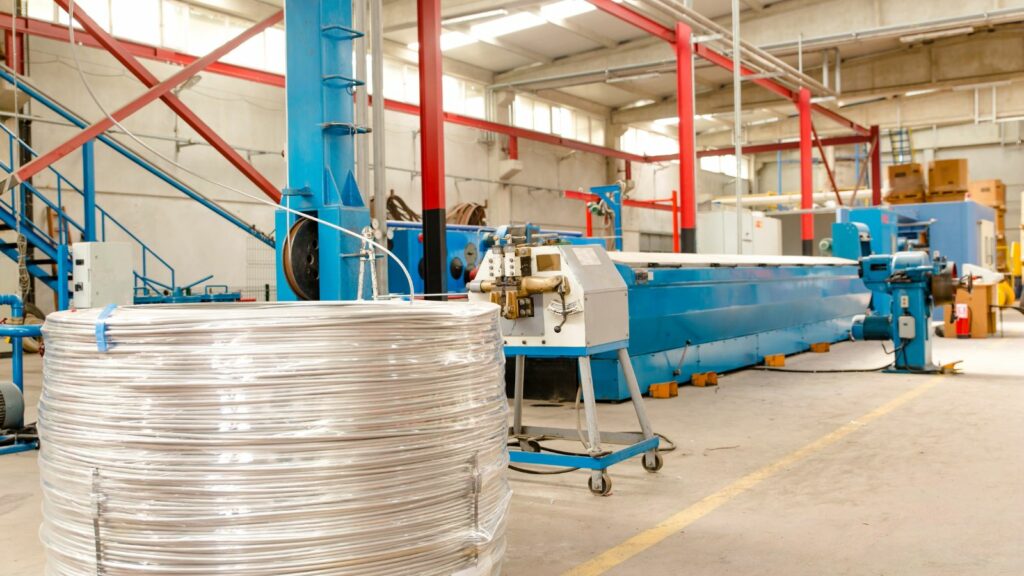
Cable factories are integral to the functioning of modern society, supplying the wiring systems that enable electricity flow, communication networks, and industrial operations. While cables are often overlooked, their production requires careful planning, advanced machinery, and strict compliance with technical standards. Cable factories operate at the intersection of engineering, logistics, and quality assurance to meet the growing global demand for reliable connectivity.
The Role of Cable Factories in Modern Systems
Every building, power grid, and digital network depends on cables to function properly. Cable factories produce a wide range of products designed for specific applications, including power transmission, data communication, control systems, and specialized industrial uses. These products must perform consistently under varying conditions such as temperature changes, mechanical stress, and long-term use.
As industries evolve and infrastructure becomes more complex, cable factories must adapt their production capabilities. This includes developing cables suitable for renewable energy installations, electric transportation, and high-speed data transmission.
Facility Layout and Production Flow
A cable factory is typically organized into specialized zones, each dedicated to a specific stage of production. Raw materials are received and stored in controlled environments to prevent contamination or damage. Production lines are arranged to allow a continuous flow from conductor preparation to insulation, assembly, and final packaging.
This layout minimizes handling time and reduces the risk of defects. Efficient logistics within the factory also help ensure that large production volumes can be managed without compromising quality or delivery timelines.
Manufacturing Techniques and Equipment
Cable manufacturing relies on a combination of mechanical and thermal processes. Conductors are formed using precision drawing machines that reduce metal rods into fine wires while maintaining strength and conductivity. These wires are then treated to improve flexibility and durability.
Insulation is applied using extrusion systems that coat the conductor with protective material. The thickness and composition of this layer vary depending on the cable’s intended application. Some cables require additional shielding to prevent signal interference, while others need reinforced outer layers for underground or outdoor use.
In factories producing complex cables, multiple components are assembled into a single structure. Each step is carefully monitored to ensure alignment, consistency, and performance.
Customization and Product Development
Many cable factories offer customized solutions to meet specific project requirements. Clients may request particular conductor sizes, insulation materials, or performance characteristics. This requires close collaboration between engineering teams, production planners, and quality specialists.
Product development often involves testing prototypes and refining designs before full-scale production begins. This flexibility allows cable factories to serve specialized industries such as aerospace, healthcare, or automation, where standard products may not be sufficient.
Testing, Standards, and Compliance
Cables must meet strict safety and performance standards before they are approved for use. Cable factories conduct extensive testing throughout the production process, not just at the final stage. Electrical testing ensures proper conductivity and insulation performance, while mechanical testing evaluates resistance to bending, tension, and impact.
Compliance with regional and international standards is essential for market access. Certification demonstrates that cables are safe, reliable, and suitable for their intended applications. This is particularly important for cables used in critical infrastructure, where failure can have serious consequences.
Workforce Skills and Training
Although automation plays a significant role, skilled workers remain essential in cable factories. Operators oversee machinery, technicians perform maintenance, and engineers manage process optimization. Continuous training is necessary to keep pace with new materials, technologies, and regulatory requirements.
A well-trained workforce contributes to consistent quality and efficient operations. Safety training is also a priority, as cable manufacturing involves high temperatures, heavy machinery, and electrical testing environments.
Sustainability and Future Trends
Sustainability is becoming an increasingly important focus for cable factories. Manufacturers are exploring ways to reduce energy consumption, minimize waste, and use environmentally friendly materials. Recycling copper and aluminum, optimizing production efficiency, and investing in cleaner technologies are common initiatives.
Looking ahead, cable factories are expected to play a key role in supporting digital transformation and energy transition. Demand for cables used in renewable energy systems, smart grids, and data centers continues to rise. To meet these needs, factories must innovate while maintaining reliability and compliance.
Conclusion
Cable factories are complex industrial operations that support essential systems worldwide. Through advanced manufacturing techniques, skilled labor, and rigorous quality control, they produce the cables that power cities, connect people, and drive industry forward. As global infrastructure continues to expand, cable factories will remain vital contributors to technological progress and economic stability.