
Contemporary Architectural Styles: Where Innovation Meets Aesthetics
Let’s face it: when we think about architecture, the mind often drifts toward ancient ruins or maybe that cookie-cutter house down the street. But contemporary architectural styles? Now we’re talking about the glitzy, glamorous, and downright intriguing realm of modern design. In this text, we’ll explore the nuances of what makes contemporary architecture tick, how it reflects our culture, and why it continually captivates our imagination, and who knows, by the end, you might just be inspired enough to design your dream house.
Defining Contemporary Architecture
Contemporary architecture is a style that emphasizes innovation, modern materials, and open spaces. It sprang from the avant-garde movements of the late 20th century and seeks to define itself by blending artistic expression with functional living. Essentially, it’s about breaking mold and challenging traditions. Unlike historical or classical architecture, contemporary designs often reject ornamentation, opting instead for clean lines and a minimalist approach. Think of it as a canvas where practicality meets creativity, an invitation to step into a space that feels both new and exhilarating.
Key Characteristics of Contemporary Architectural Styles
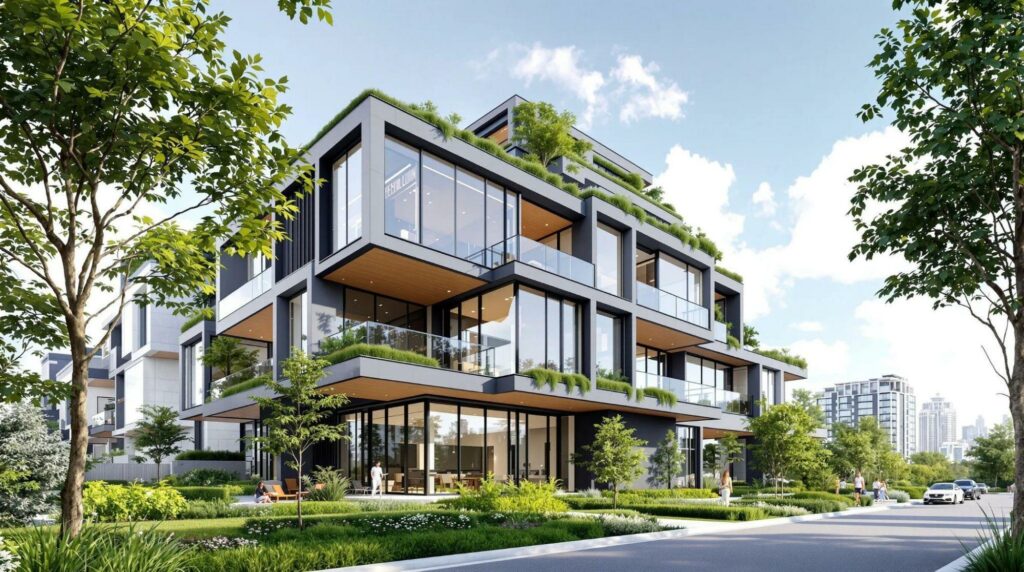
When we discuss characteristics, a few standout traits begin to emerge. First, there’s the emphasis on simplicity and functionality in design. We often see large open spaces that invite light and air into the room, creating an ambiance of peace and tranquility. Also, contemporary architecture frequently incorporates glass, steel, and concrete, allowing for visually striking structures that feel interconnected with nature.
Another defining feature? Sustainability. Many contemporary designs focus on eco-friendly methods, integrating green roofs and energy-efficient systems. The result is not only stunning but also responsible, a win-win for the architects and the planet.
Popular Contemporary Architectural Styles
Diving deeper, we encounter various contemporary styles that have captured the limelight. Among them, the International Style stands out with its sleek lines and lack of ornamentation. We might also consider Postmodernism, which brings a playful twist to seriousness, think eclectic color schemes and unexpected shapes.
Then there’s Neo-eclectic, characterized by combining various materials and architectural elements into a unique, cohesive design. We can often see this in suburban neighborhoods, where individuality thrives among otherwise similar homes. Each of these styles brings distinct features and philosophies, showcasing how diverse contemporary architecture can be.
Influences on Contemporary Architecture
As we explore contemporary architecture, it’s fascinating to consider what influences it. Globalization has played a massive role, allowing architects to borrow ideas from various cultures around the world. The digital age, too, has revolutionized architectural design, computer modeling enables us to visualize intricate details before construction even begins.
Societal trends also shake up the architectural scene. For example, the rise of remote work has led to more designs emphasizing home offices and flexible living spaces. As we evolve, so too does our architectural landscape.
Sustainability in Contemporary Architecture
In recent years, sustainability has moved from a buzzword to a core principle in contemporary architecture. Architects are increasingly integrating sustainable practices into their designs. This is more than just a trend: it’s a necessity in tackling climate change. We see buildings outfitted with solar panels, water-efficient systems, and eco-friendly materials.
Also, the design philosophies we adopt often focus on reducing our carbon footprint. The concept of biophilic design, which incorporates natural elements into architecture, is also gaining traction, promoting healthier living environments. It’s encouraging to see our industry prioritize the planet as much as aesthetics.
The Future of Contemporary Architectural Design
Looking ahead, we’re thrilled by the possibilities that contemporary architecture holds. As technology advances, so does the way we conceive spaces. Emerging trends like smart homes and augmented reality may redefine how we interact with our living environments.
Also, the global push for more sustainable buildings means we can expect even more innovative designs that fuse functionality with environmental responsibility. We might see the rise of modular homes that can adapt to changing needs, reflecting our dynamic lifestyles. The future is indeed bright for contemporary architectural design.